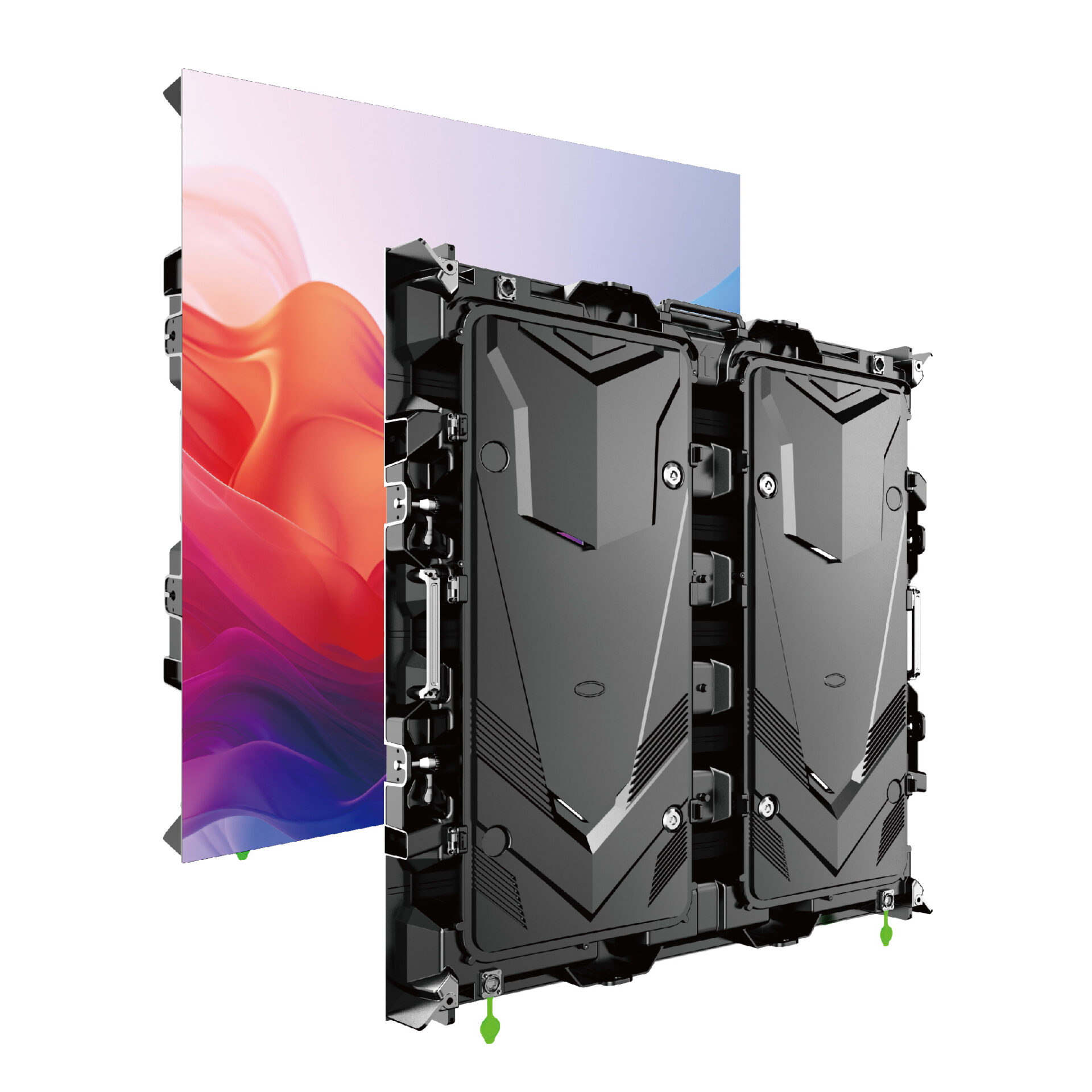
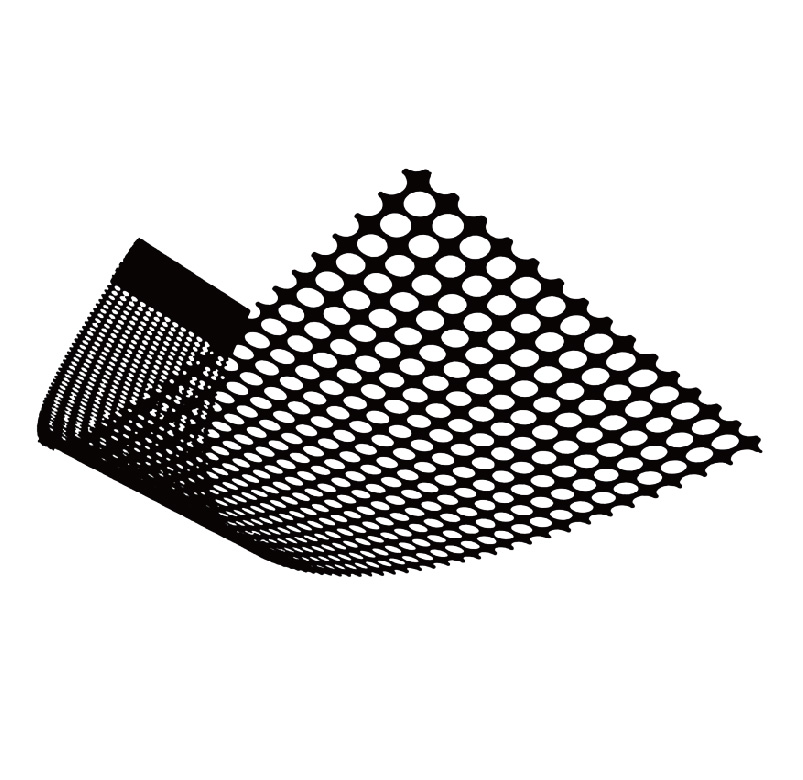
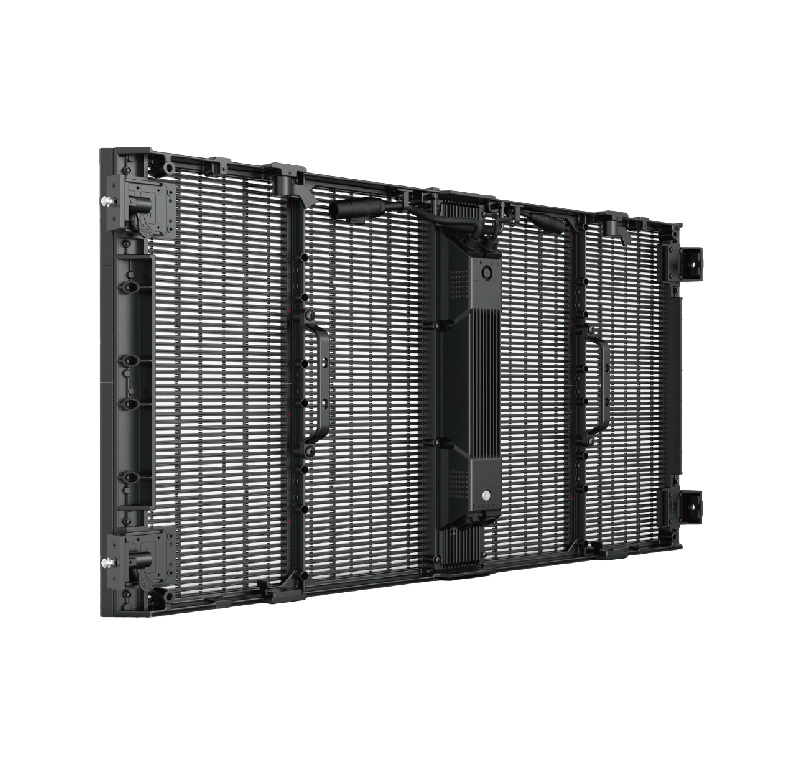
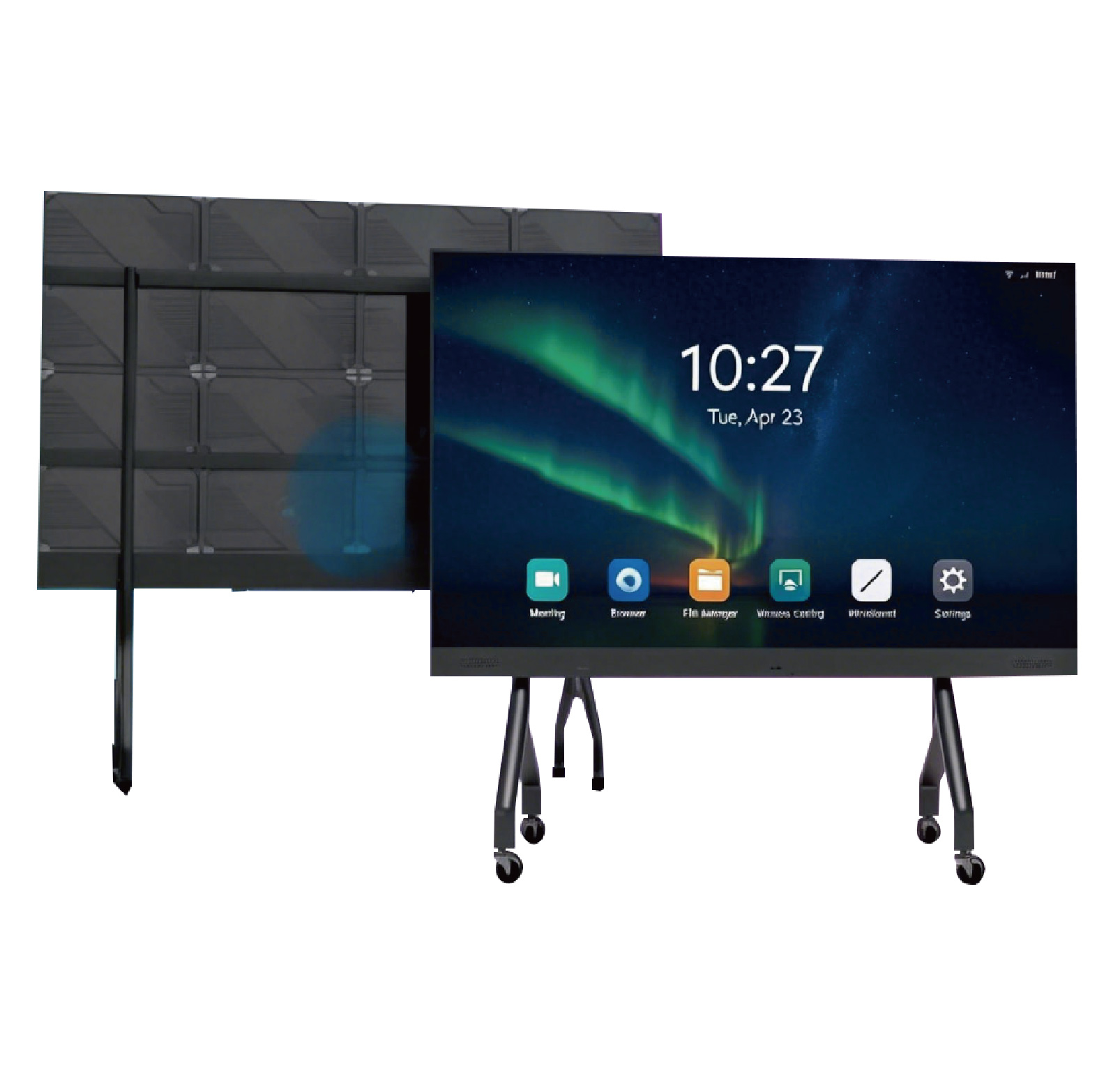
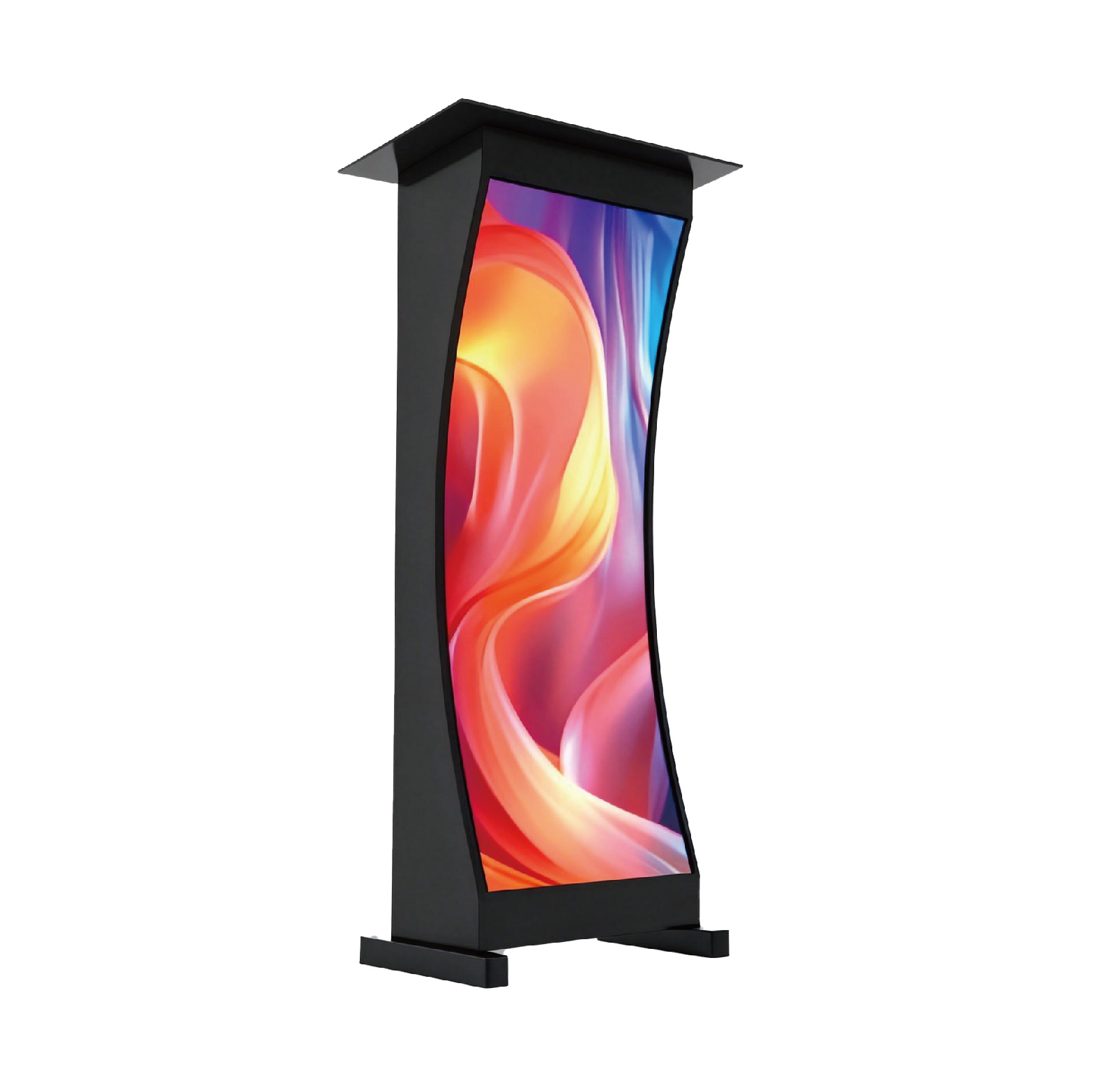
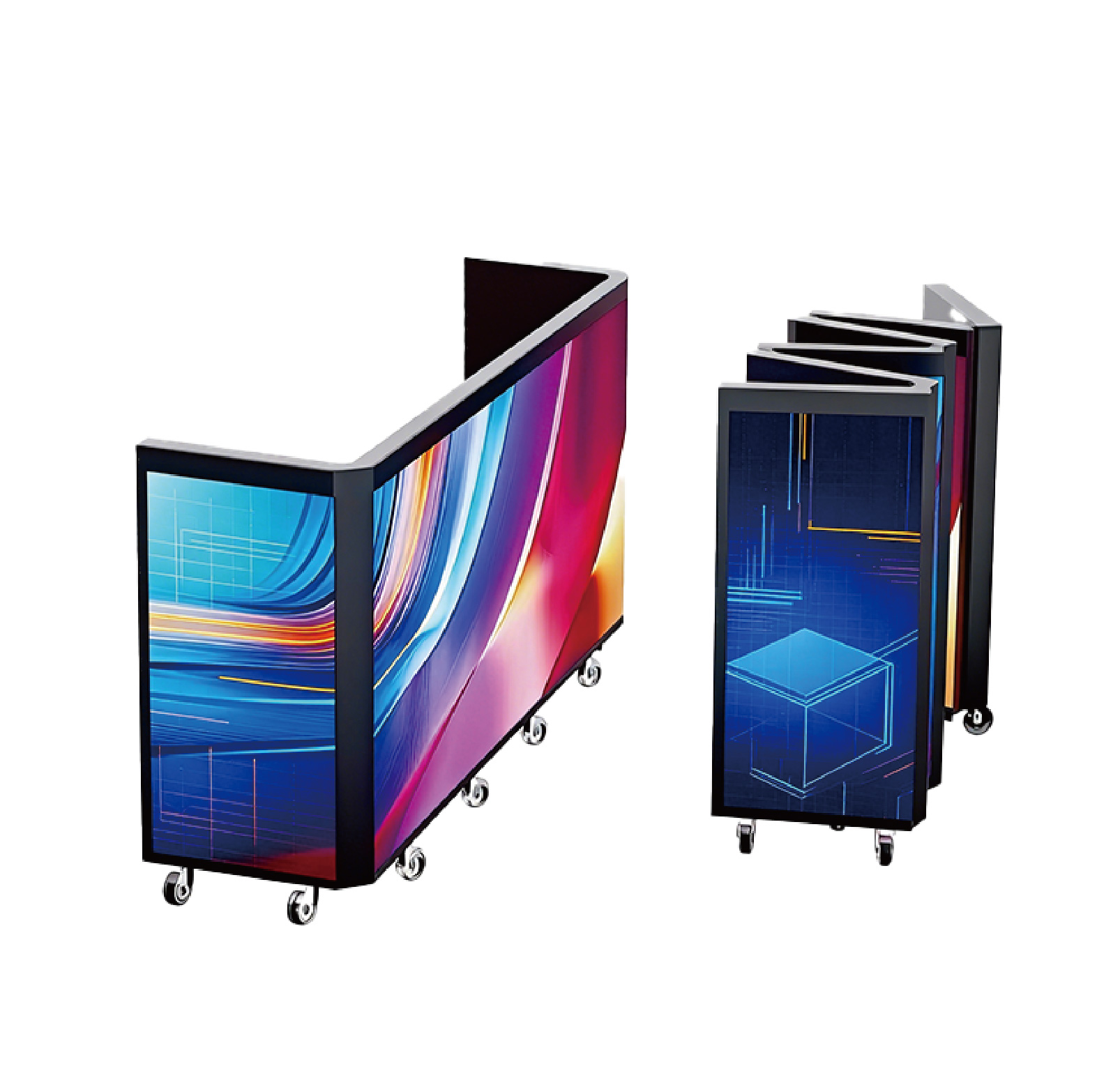
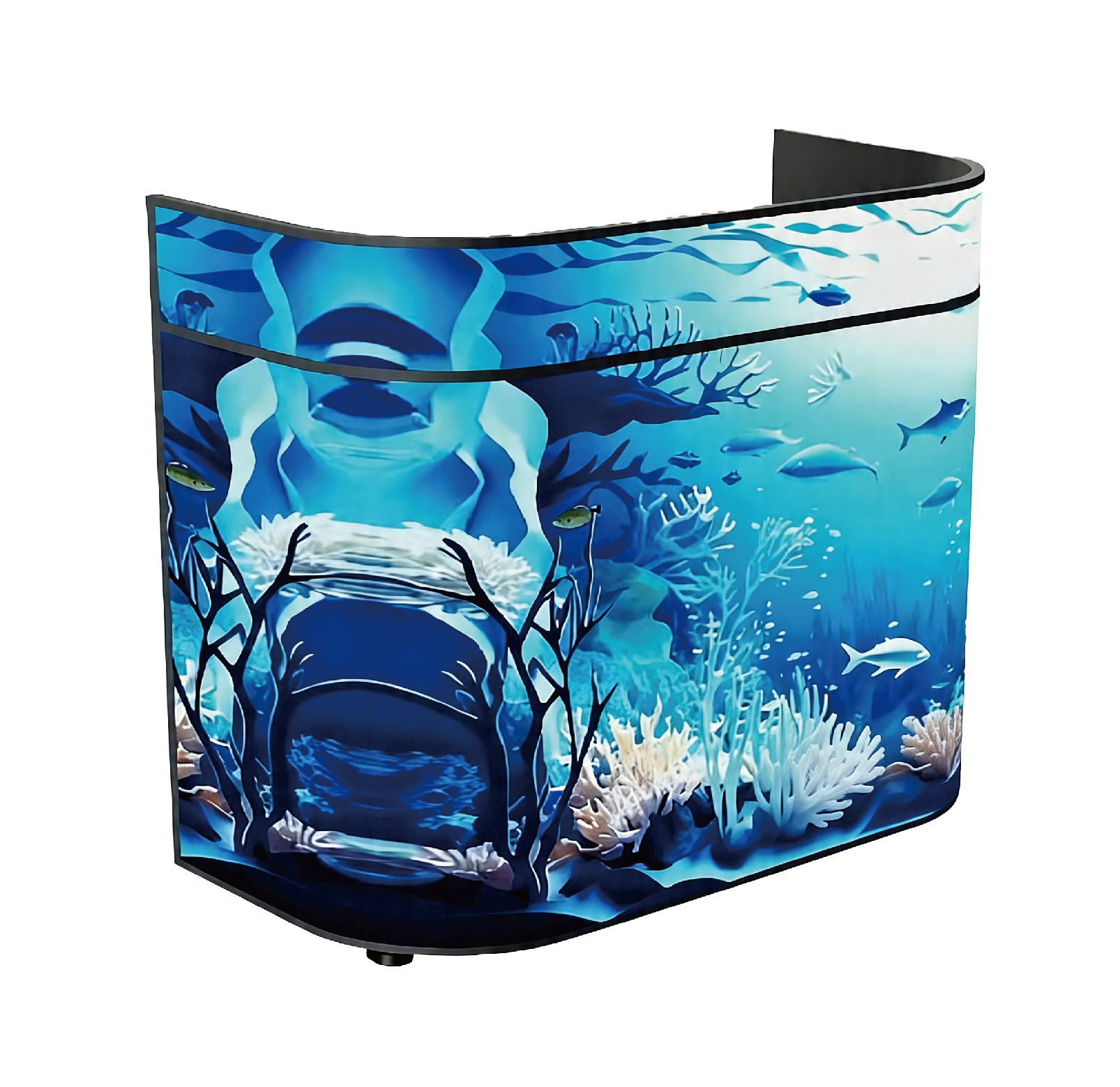
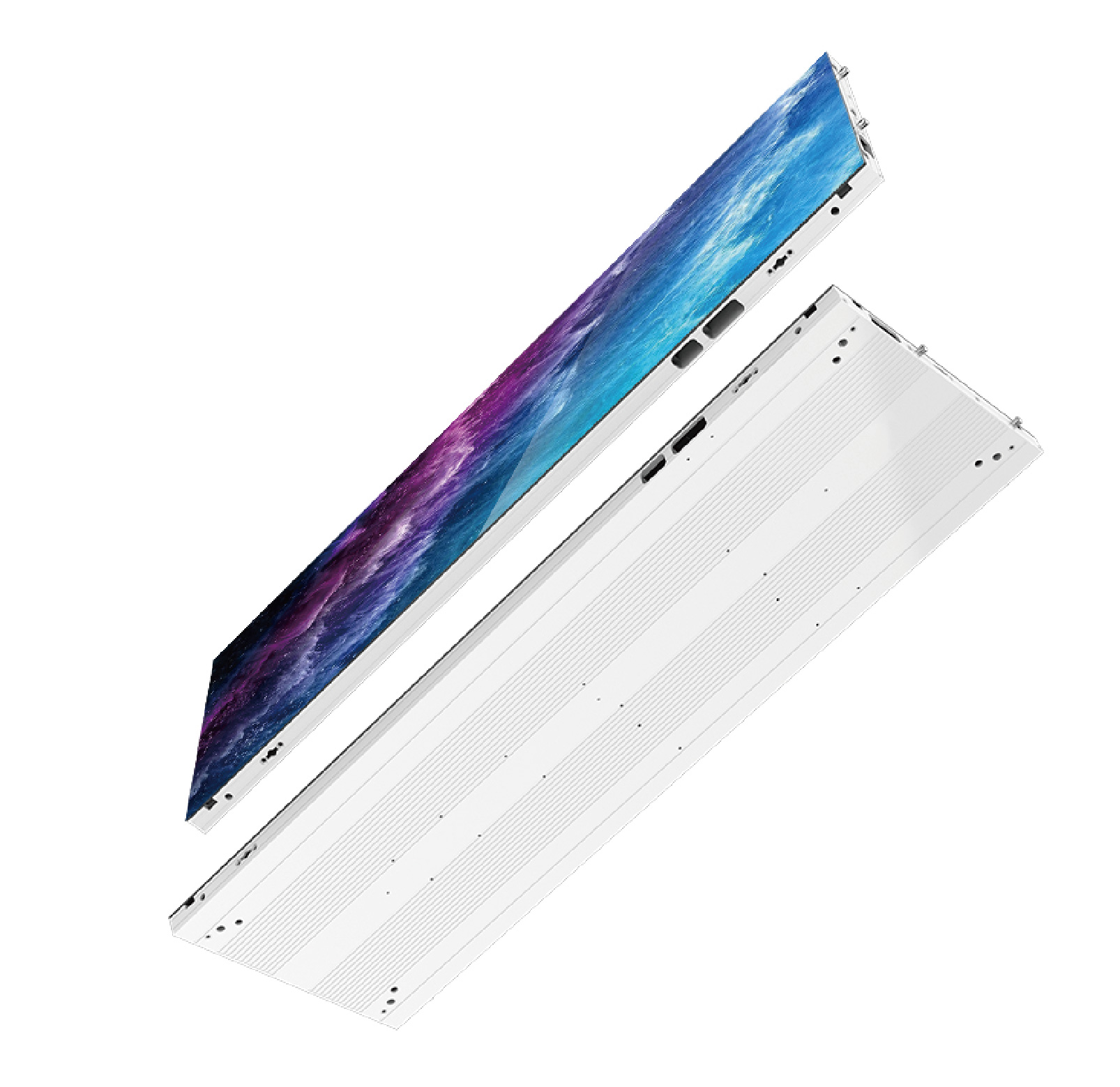
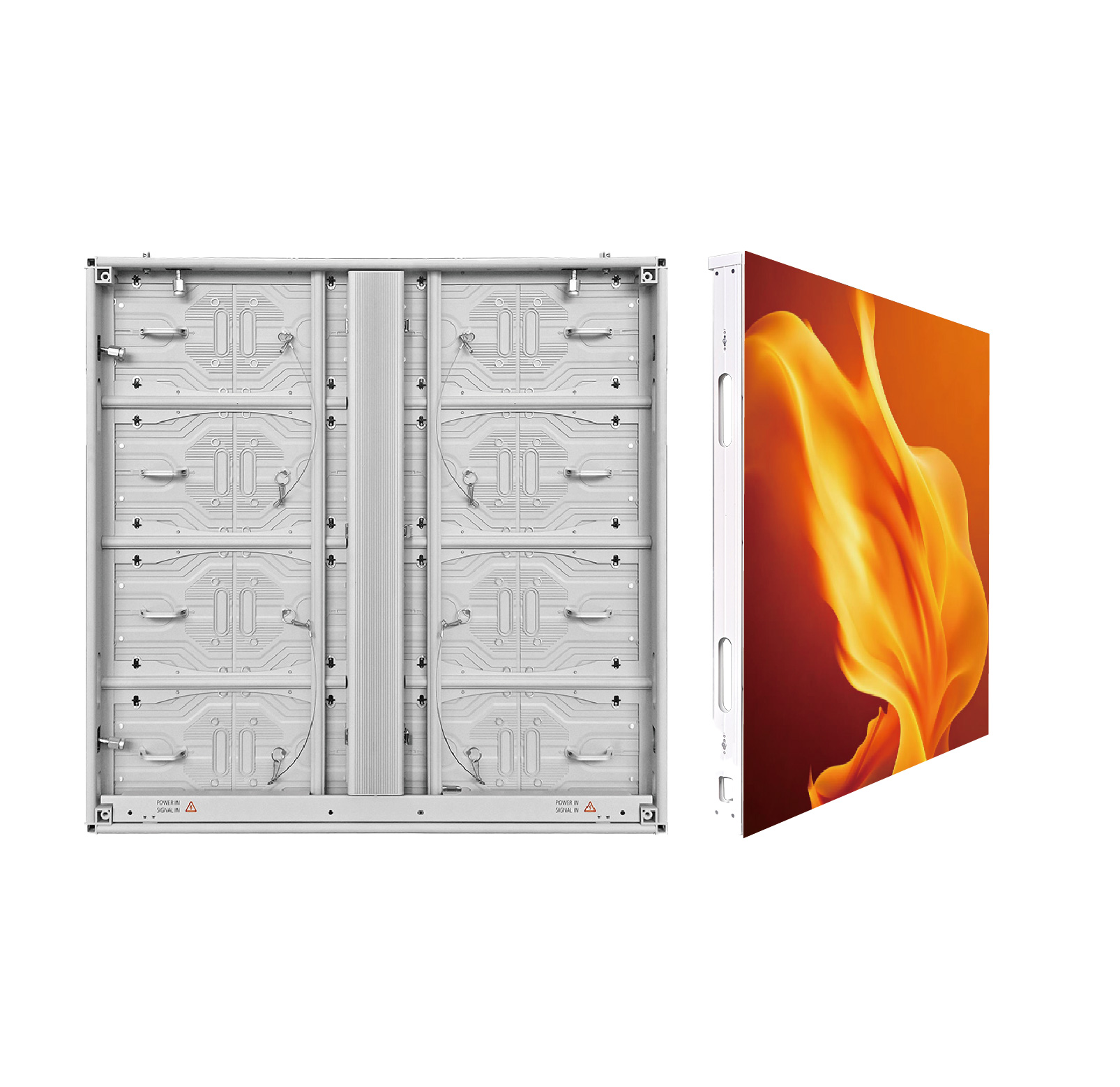
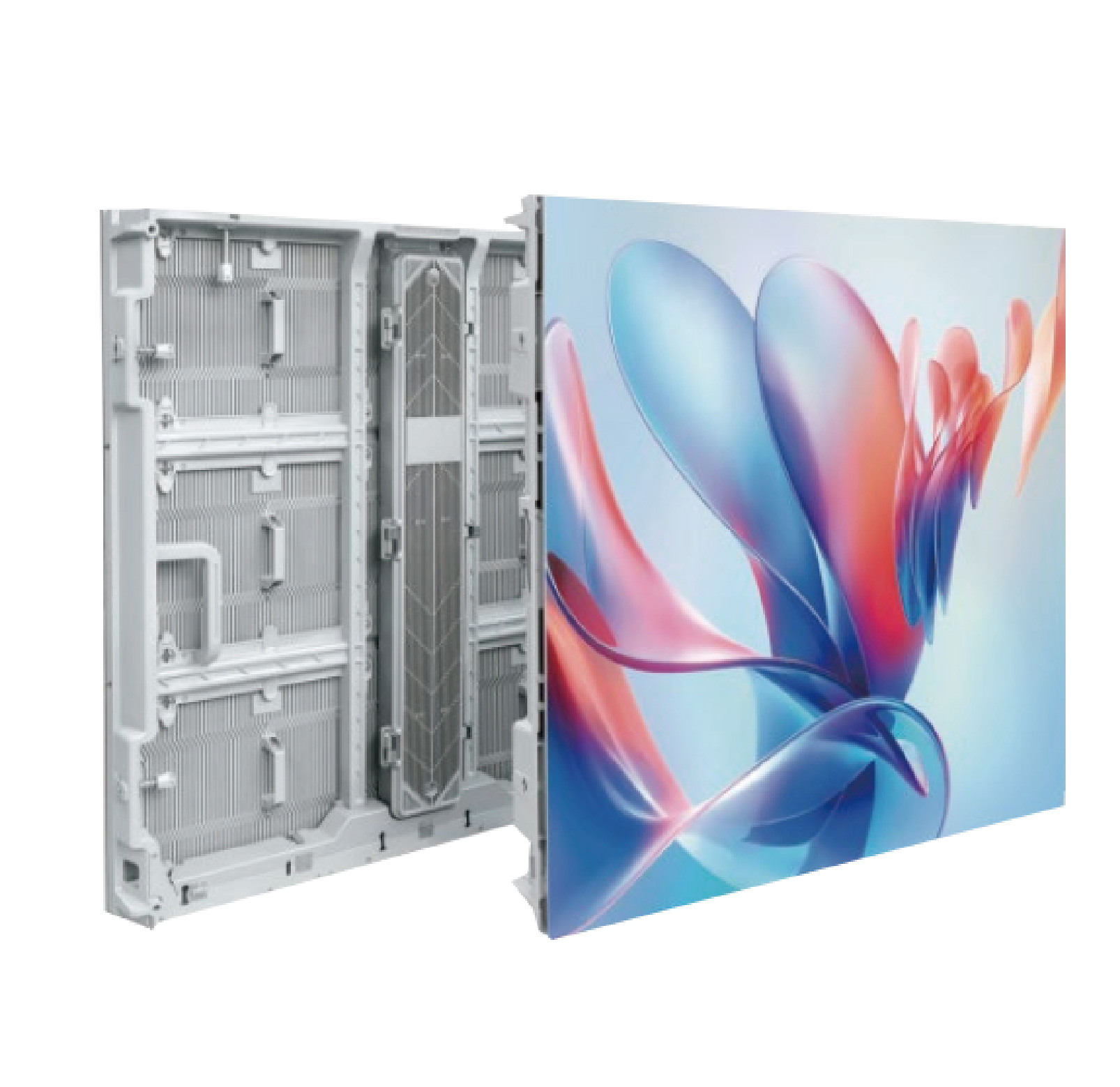
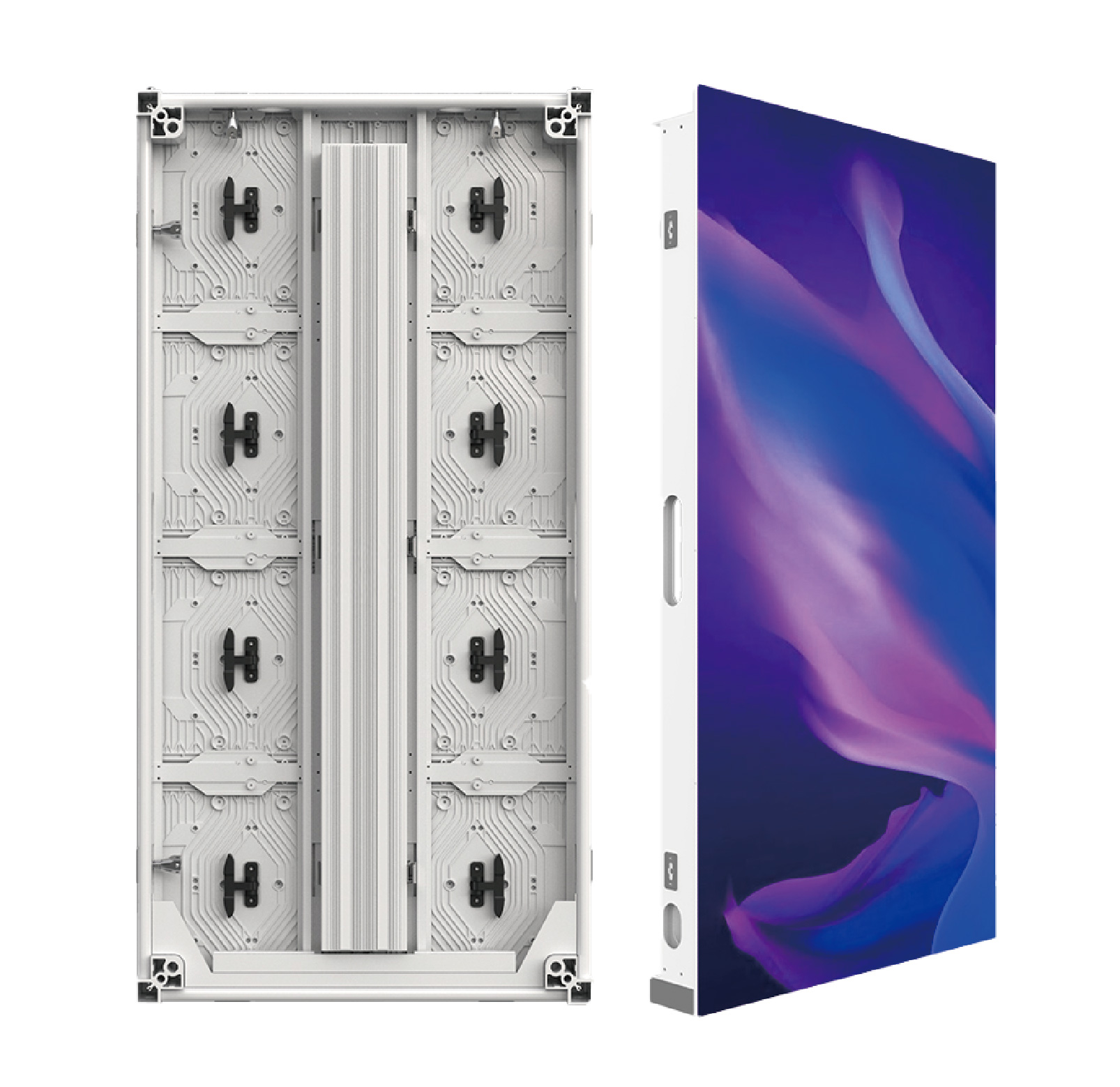
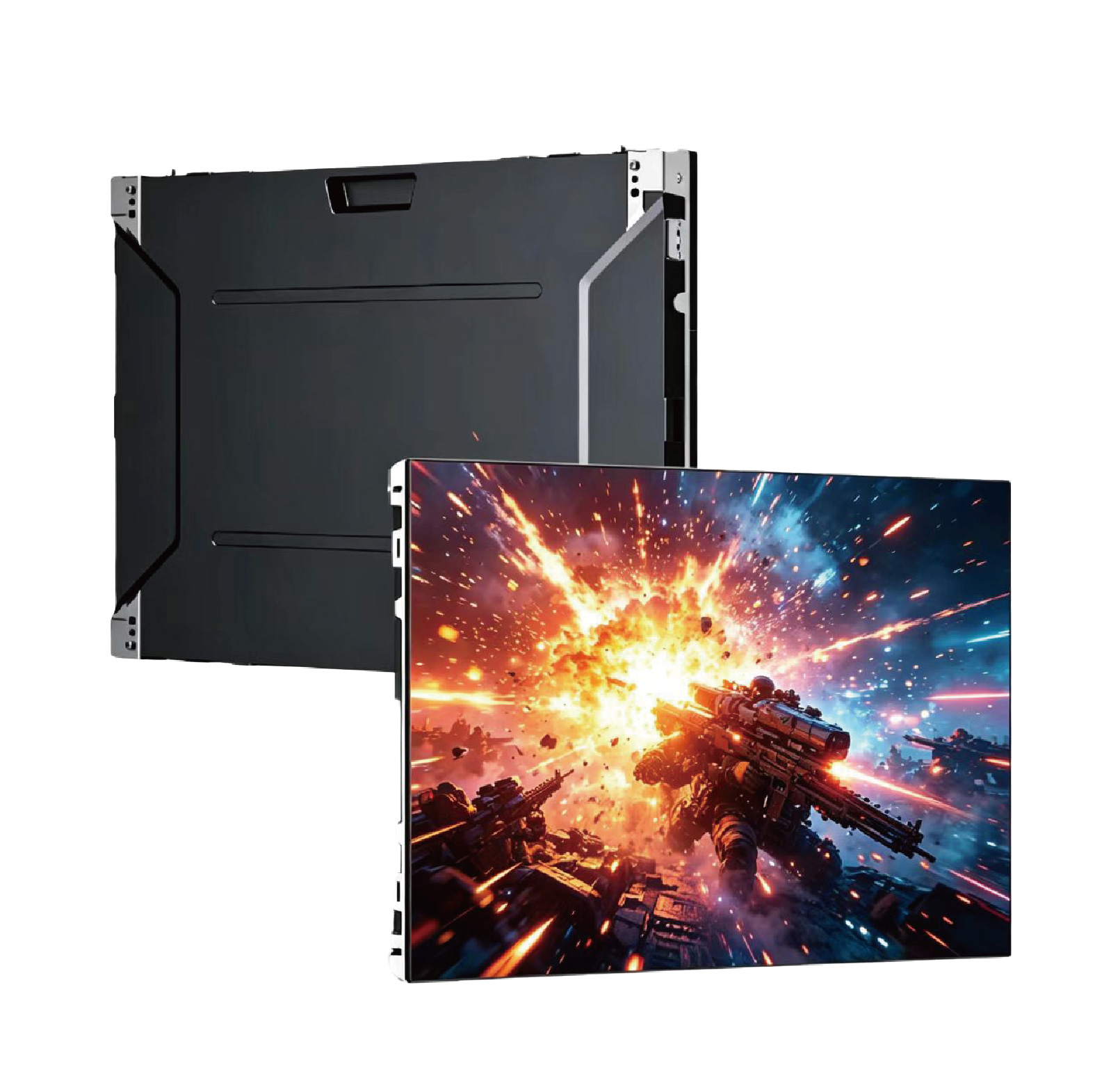
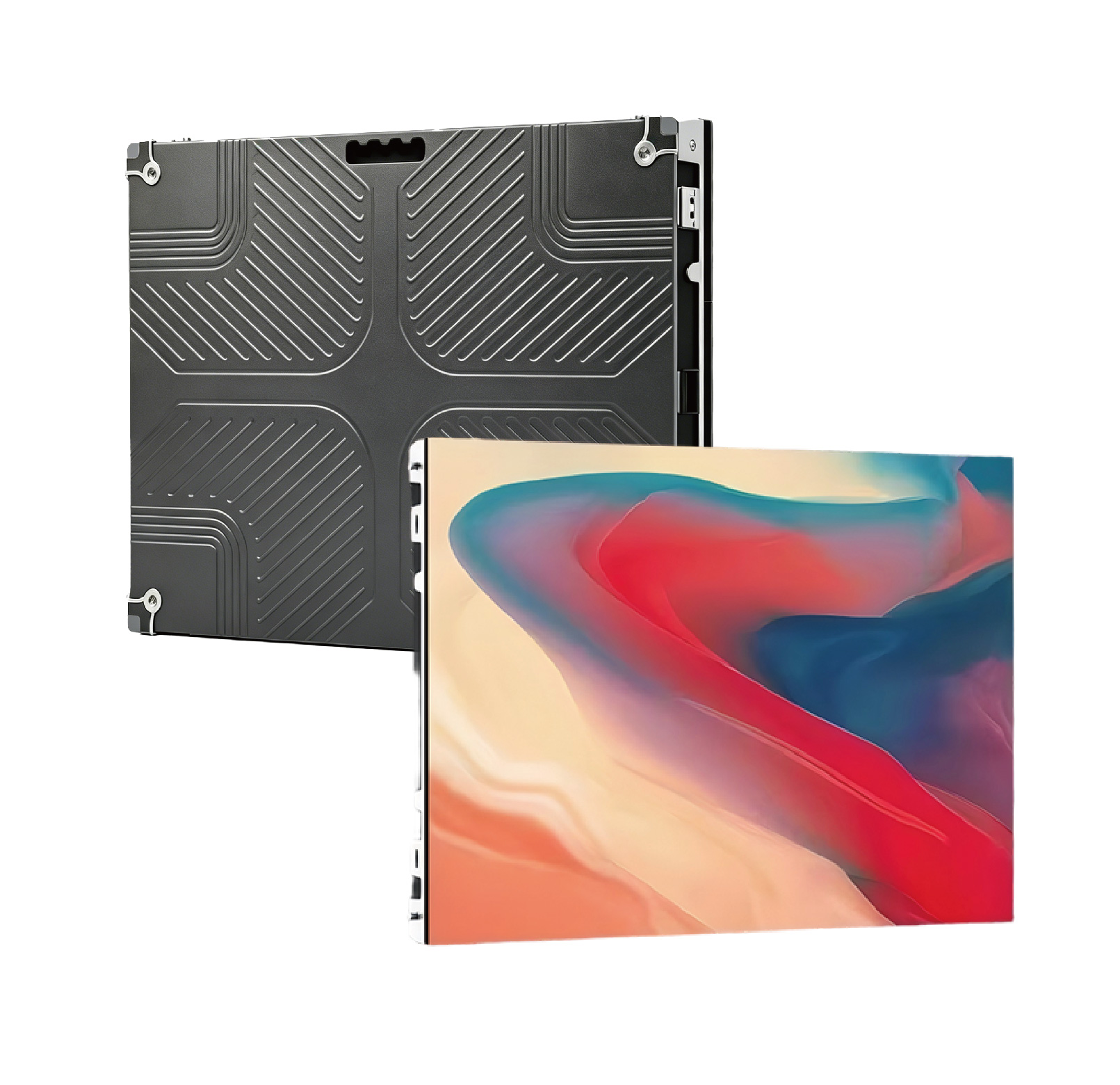
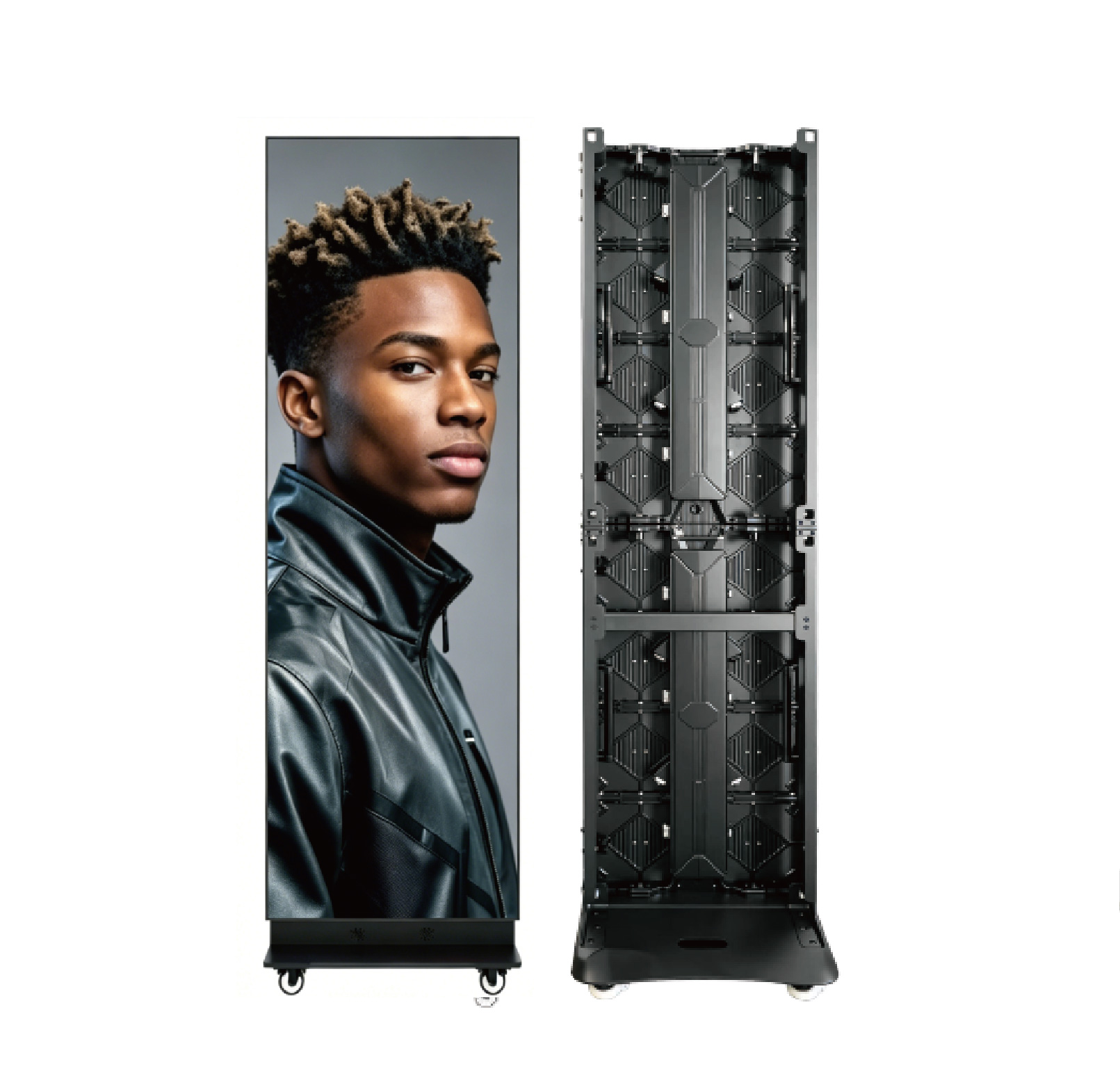
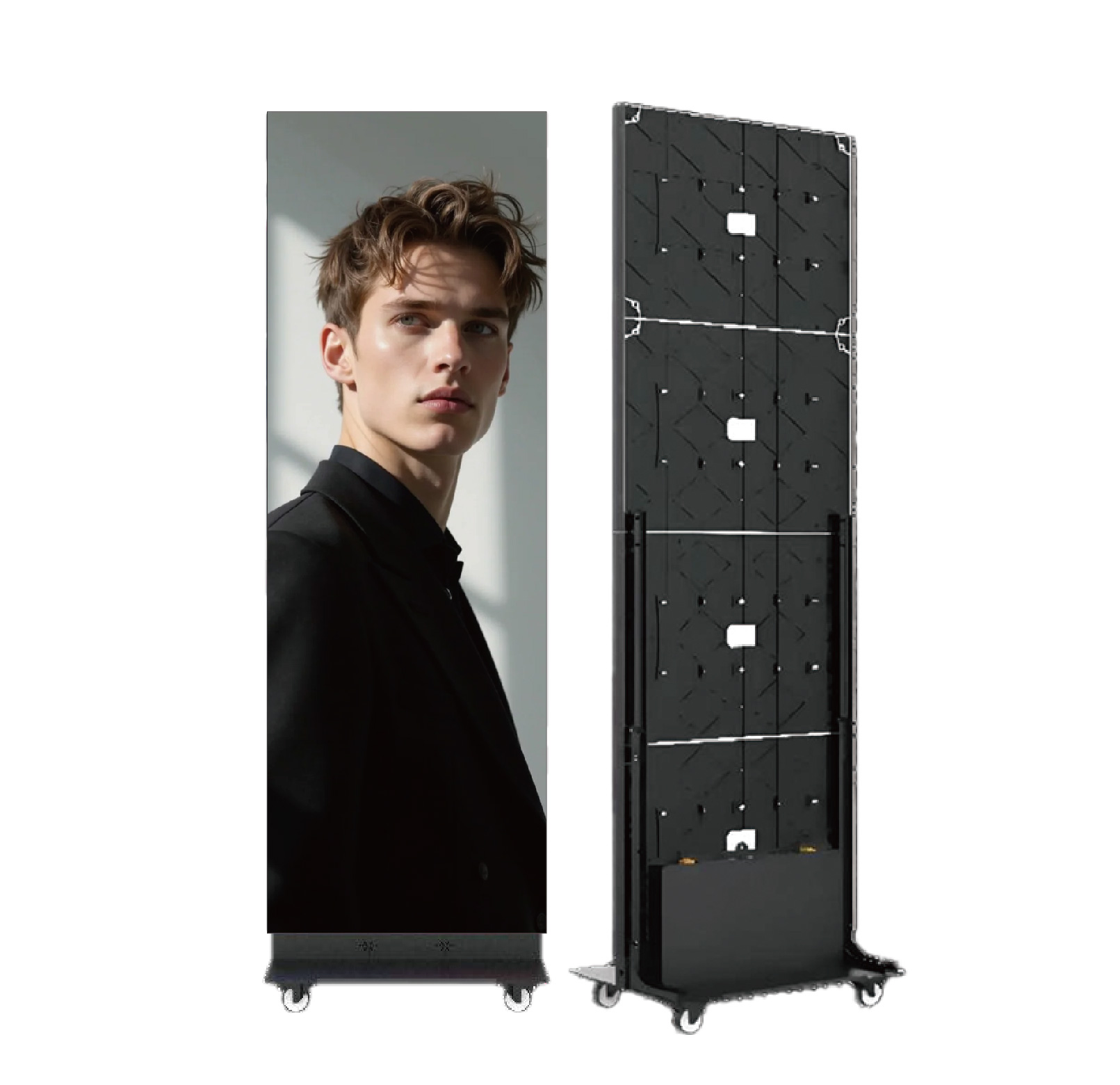
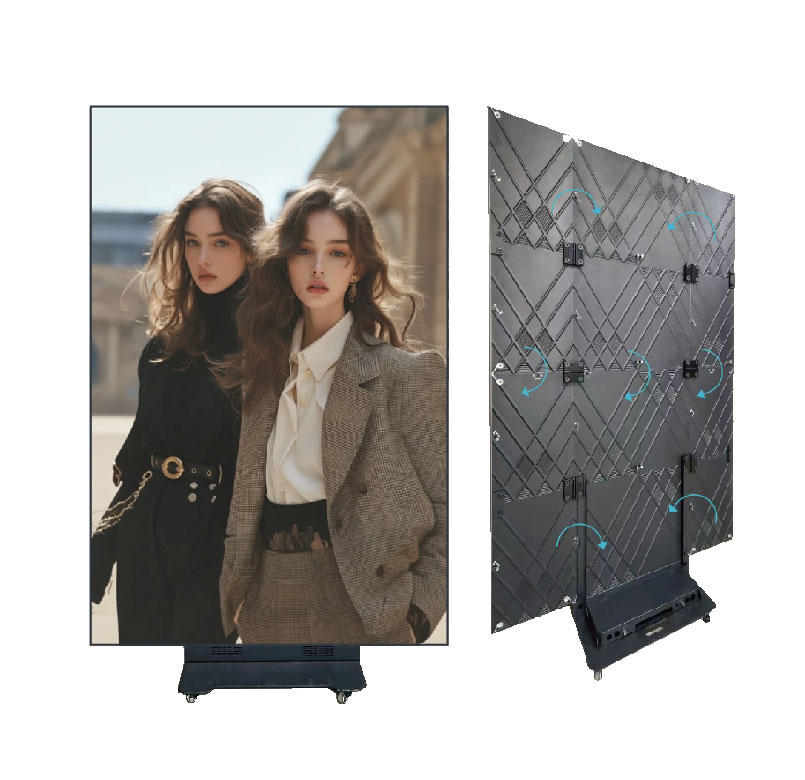
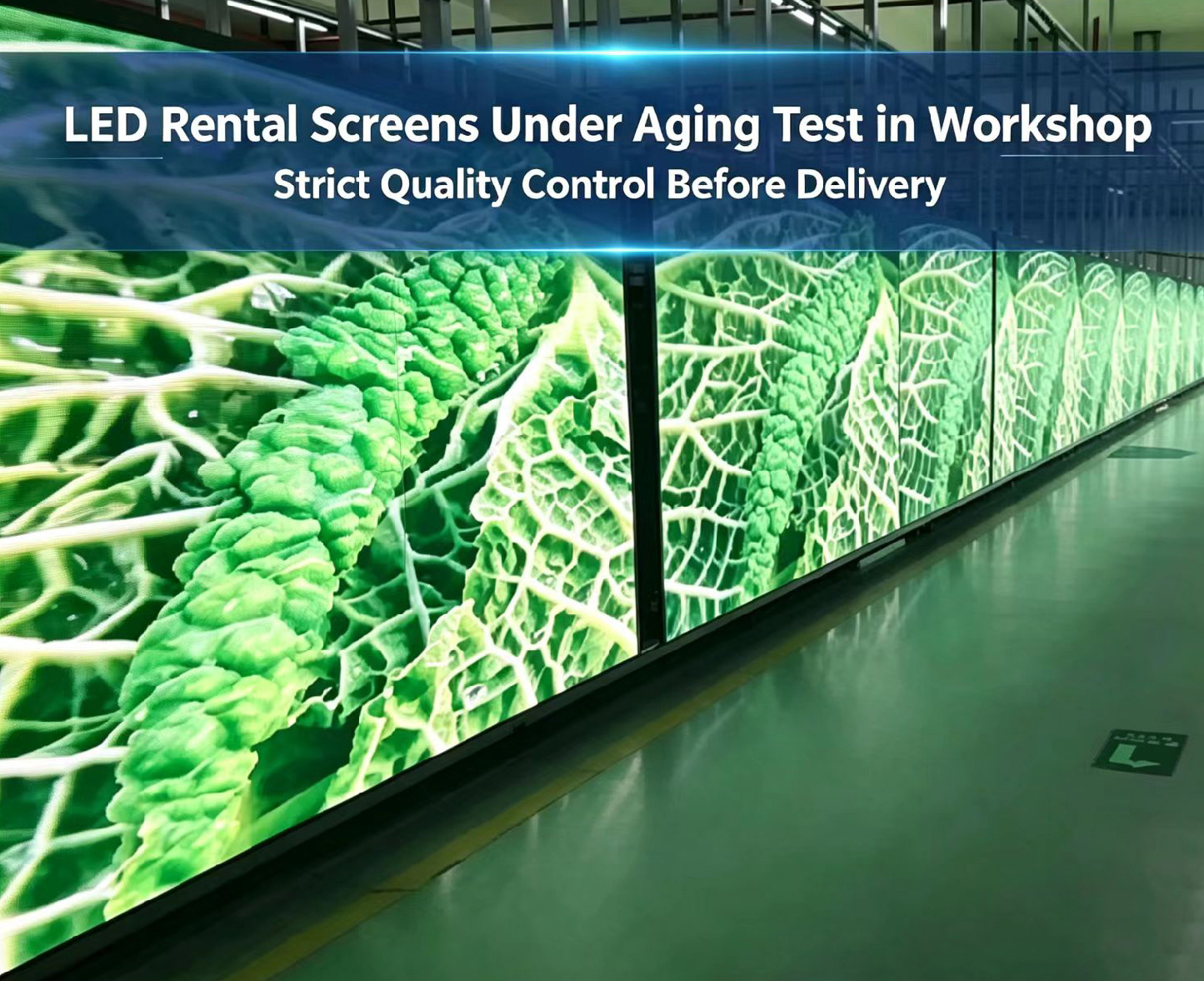
Most LED screen failures are caused by subtle details including circuit board, waterproof sealing, mask and corner guards. This article compares safety‑related performance between private‑mold and public‑mold LED displays, helping projects avoid hidden risks.
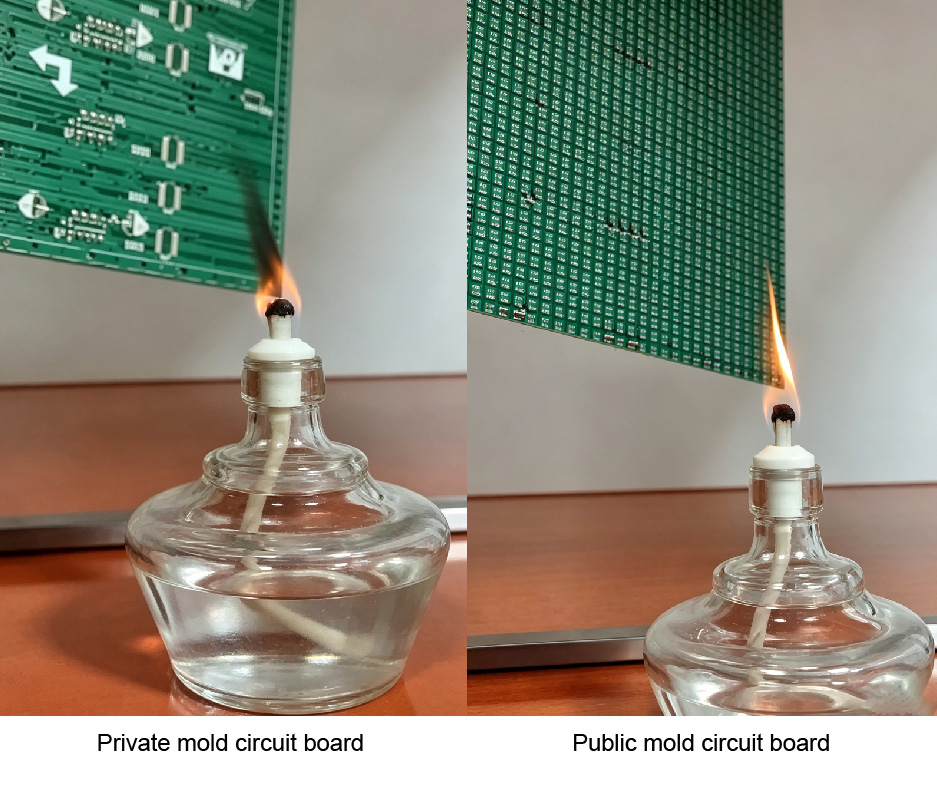
Circuit Board
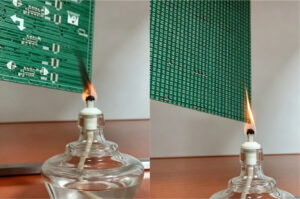
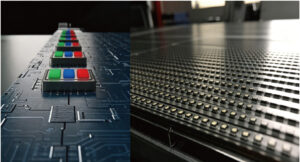
Private‑mold:Flame‑retardant PCB. Anti‑collision solder pad supports 4KG impact force, high temperature and shock resistance, stable for long‑time operation.
Public‑mold:Non‑flame‑retardant thin‑layer PCB. Solder pads may fall off under vibration or impact, bringing higher onsite failure risk.
Protection Rating & Air‑tightness Test
Private‑mold :Outdoor IP65 rating. Every module passes waterproof and air‑tightness test in factory, reliable for rainy and humid outdoor conditions.
Public‑mold: IP54 rating without air‑tightness inspection. Risk of water ingress when used outdoors, only recommended for indoor scenarios.
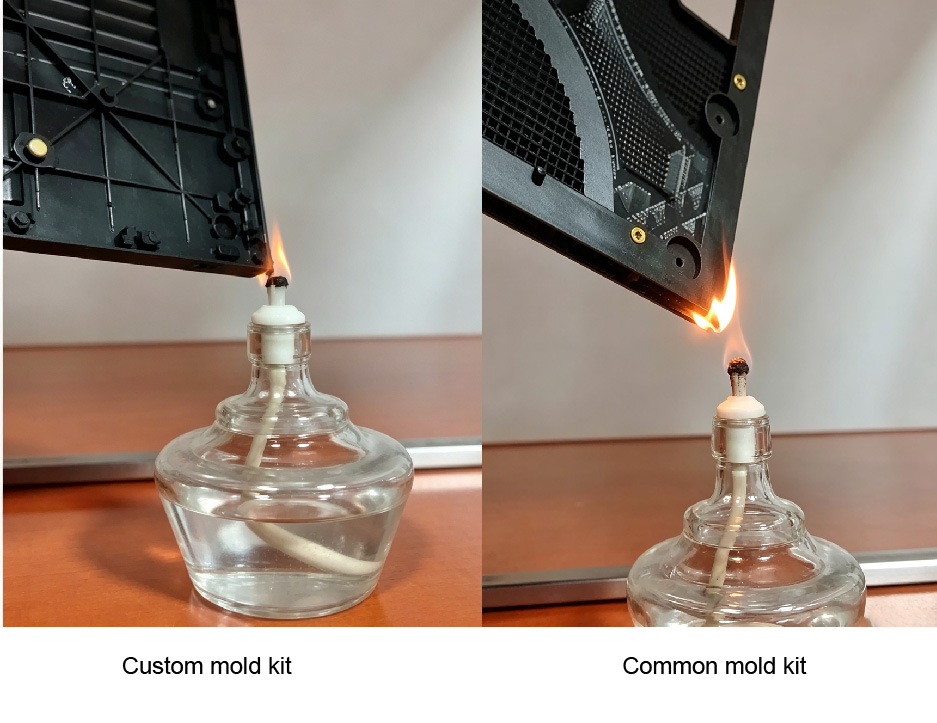
Module Kit Flame Resistance
Private‑mold: Flame‑retardant module housing reduces fire risk caused by short‑circuit, improving project safety margin.
Public‑mold :Non‑flame‑retardant housing, potential fire hazard under high‑temperature short‑circuit condition.
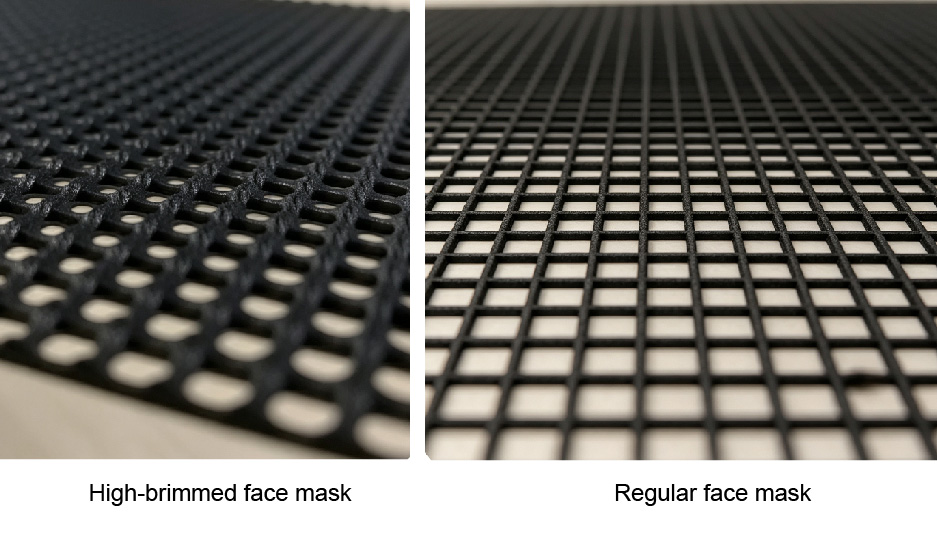
Mask Design
Private‑mold :High‑groove anti‑collision mask protects LED lamps, delivers anti‑glare and uniform brightness.
Public‑mold :Standard flat mask without lamp‑bead protection. Lamps are vulnerable to impact damage during transport and installation.
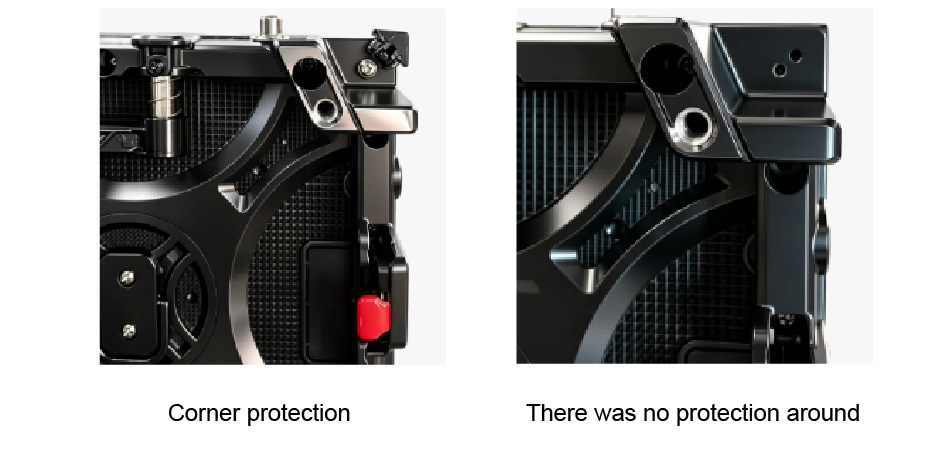
Corner Protection
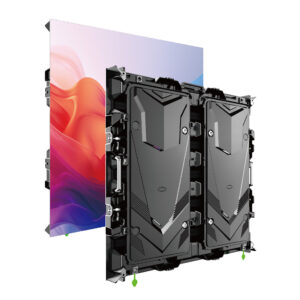
Private‑mold :Built‑in corner guards all around cabinet, prevent edge lamp damage during handling, perfect for cyclic rental usage.
Public‑mold :No corner‑guard structure. Exposed edge modules are easy to be damaged, raising maintenance cost.
Circuit board, waterproof performance, flame‑retardant parts and corner guards decide safety and service life of LED screens.
Fully upgraded in safety details, private‑mold products are preferred for outdoor and rental projects. Public‑mold without multi‑layer protection is only suitable for basic indoor projects.